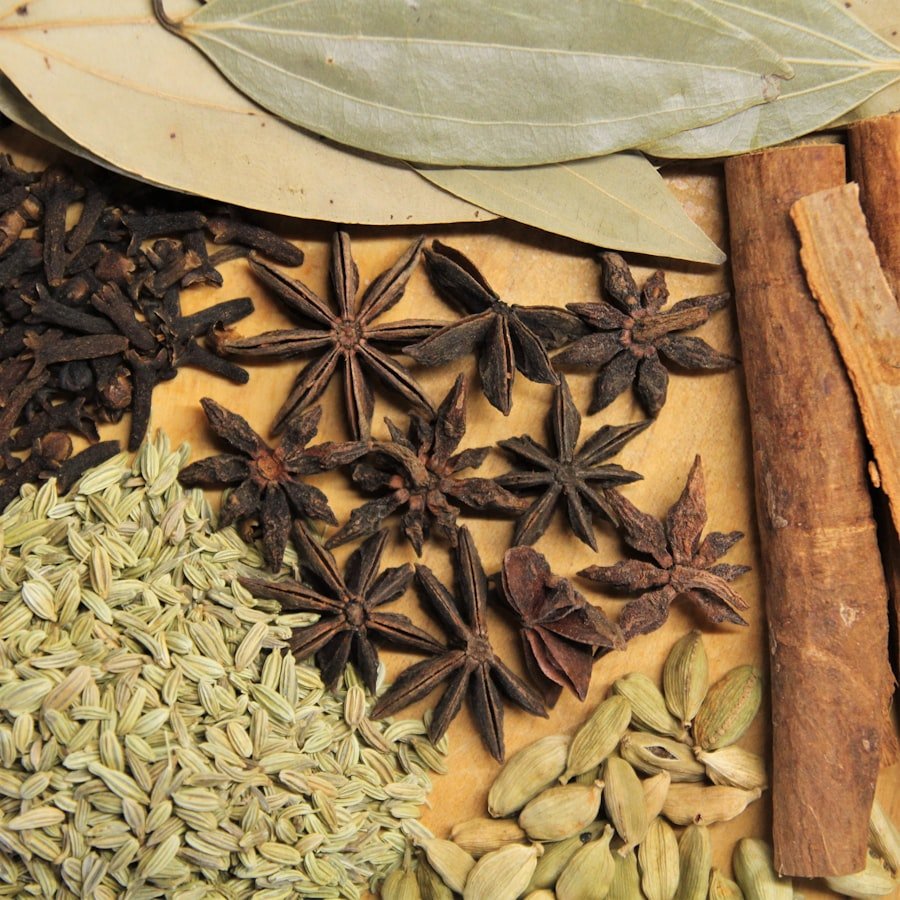
There is a moment — usually around the three-minute mark of a proper simmer — when a pot of chai stops being tea-with-spices and becomes something else entirely. It goes from a beverage to a mood. If you have made chai often enough, you can smell the shift. If you haven’t, this piece is for you.
The minute-by-minute
Here is what actually happens to your pot. Set a timer once. You’ll never brew blind again.
- Minute 0–1: Water and spice are still negotiating. You’ll smell cardamom, maybe ginger, but flavour hasn’t landed. Pull now and you get a thin, perfumed cup. Not wrong, just polite.
- Minute 1–2: The essential oils in cardamom, clove, and cinnamon start to release. The kitchen begins to smell like chai instead of hot water. This is when you add the CTC.
- Minute 2–3: Tannins in the CTC start opening. Colour deepens from copper to a proper mahogany. This is where most people quit — and where the real cup begins.
- Minute 3–4: You add the milk. The pot goes quiet. Watch it come up to a rise, then pull it back. Do this three times. Each rise pushes flavour deeper into the milk fat.
- Minute 4–5: Sugar or jaggery goes in. Give it thirty seconds — sugar changes how the tongue reads the tannins. Skipping this step is why unsweetened chai often tastes flat instead of clean.
- Minute 5–6: Rest. Off the flame, lid on, thirty seconds. The chai settles. Then strain.
Why three minutes is the hinge
The three-minute mark matters because that’s when CTC tannins finish their first release. Before that, you have a spiced infusion. After that, you have chai. The difference is spine. A cup with spine holds up against milk, against sugar, against a biscuit dunked in it. A cup without spine collapses on contact.
Weak chai isn’t a recipe problem. It’s a patience problem.
Common mistakes
- Adding milk too early. Milk fat coats the tea leaf and blocks extraction. Water first, always.
- Boiling instead of simmering. A rolling boil scalds the milk protein and dulls the aroma. You want a gentle rise, not a roar.
- Grinding the spices to powder. Cracked whole spices release slowly and cleanly. Powder dumps everything in the first thirty seconds, then leaves a chalky finish.
- Straining too fast. Let the pot rest for thirty seconds off the flame. The last minute of infusion is often the best.
The one-cup ratio
For a single 200ml cup of proper kadak: 100ml water, 100ml full-fat milk, 1 heaped teaspoon of JCC OG Masala, sugar to taste. Simmer as above. That’s the whole formula. Everything else is preference.
Try it once with a timer. After that you’ll never need one again — your nose will tell you.